

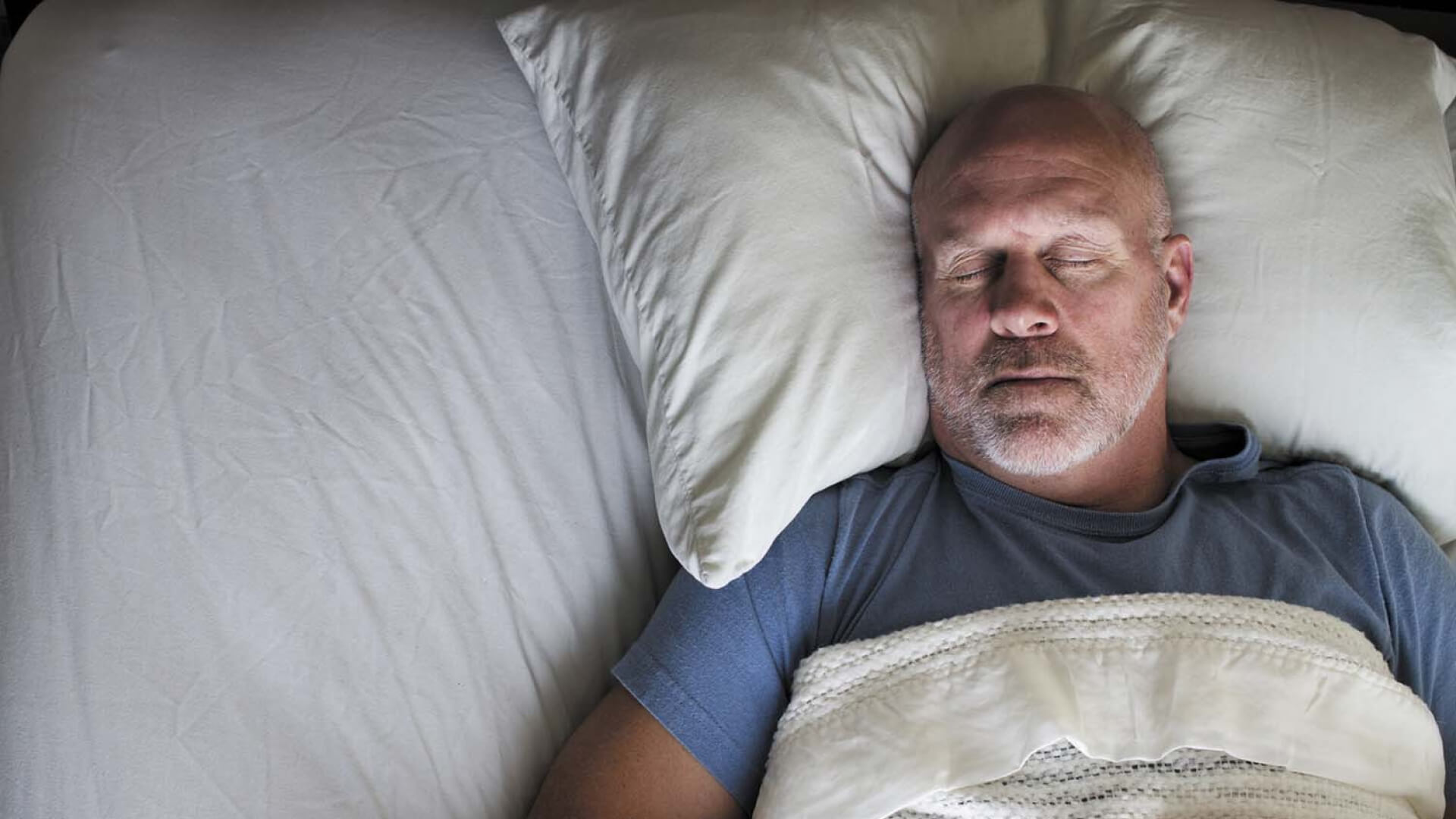
You know sleep affects your energy. But after 40, its role shifts from maintenance to critical defense. A bad night does more than leave you tired; it directly undermines your hormonal foundation, striking at your testosterone levels with a new severity.
The science is clear: as you age, your body’s ability to recover dwindles, and your reliance on consistent, quality sleep for hormonal stability becomes absolute. The problem isn’t knowledge — it’s the assumption that your old habits can withstand your new biology.
Sleep after 40: your hormonal foundation crumbles
After 40, men experience a natural decline in deep, slow-wave sleep — the precise stage where testosterone production peaks. You might clock the same hours, but the restorative quality diminishes. Deep sleep becomes shallower, more fragmented, and easier to disrupt.
The consequence? A single poor night now cuts deeper into your hormonal reserves than it ever did at 30. The signs are metabolic:
- noticeably lower morning energy and drive;
- slower cognitive processing and focus;
- a palpable drop in libido;
- weaker physical performance and recovery;
- increased mood instability;
These are often mislabeled as “stress” or “aging,” but the root is frequently broken hormonal recovery.
The stealthy thief of deep sleep and Testosterone
Testosterone isn’t produced on demand; it’s synthesized in a daily rhythm, peaking during deep sleep. Irregular sleep — whether short, interrupted, or erratic — robs your body of the necessary state for proper synthesis.
After 40, your system loses its resilience. You can no longer recover from:
- chronically late bedtimes;
- screen exposure deep into the night;
- frequent travel disrupting your rhythm;
- regular alcohol consumption
- a mounting, uncorrected sleep debt.
They are direct withdrawals from your testosterone account.
Poor sleep elevates cortisol, your primary stress hormone. Cortisol and testosterone exist in a push-pull relationship; when one rises, the other falls. With age, a bad night leads to a higher, more prolonged cortisol spike, creating a perfect storm for suppressing testosterone.
This is why one disrupted night can leave you feeling:
- mentally foggy and unfocuse;
- unmotivated and passive;
- physically weaker;
- less confident and assertive.
The vanishing margin for error in your 40s and beyond
Men in their 40s and beyond already operate with a naturally lower baseline testosterone. Combine this with the modern trifecta — inconsistent sleep, chronic stress, and inadequate recovery — and the margin for error disappears. A few bad nights can tip you from normal function into the clear symptoms of Low T.
This is the biological reality behind the feeling of a sudden “crash” in your 40s. The buffer is gone.
Is sleep enough?
Optimizing sleep can boost testosterone meaningfully — by 10-20% in some cases. It is the essential, foundational step. For men with clinically low testosterone, however, sleep alone may not be sufficient to restore optimal levels. It is necessary, but not always a complete solution.
The protocol is simple, yet powerful:
- a consistent bedtime, within the same 30-minute window nightly;
- a sleep environment that is completely dark, quiet, and cool (16-19°C);
- a strict digital curfew 60 minutes before bed;
- limited alcohol, especially close to bedtime;
- no caffeine after midday;
- a brief evening walk to lower stress hormones and aid digestion.
The principles aren’t new. The urgency is. After 40, your body stops forgiving the shortcuts.
Conclusion: repairing your first line of defense
After 40, poor sleep is a direct attack on your vitality. It hits your testosterone harder, slows your recovery, and destabilizes your mood faster. What feels like sudden aging is often a system struggling under inconsistent repair.
Fixing sleep won’t solve every hormonal issue, but it is the most efficient, highest-return investment any man can make. It’s the first and most critical line of defense.